Arthur McGee: A Pioneer in Fashion History
Arthur McGee, a trailblazing African American designer, left an indelible mark on the fashion industry from the 1960s to the 1990s. Often referred to as the “Grandfather of Designers of Color” and the “Dean of African American Designers,” McGee’s career is a testament to his resilience and creativity. His story is one of both struggle and triumph, reflecting the challenges faced by Black designers in a predominantly white fashion world.
Early Life and Education
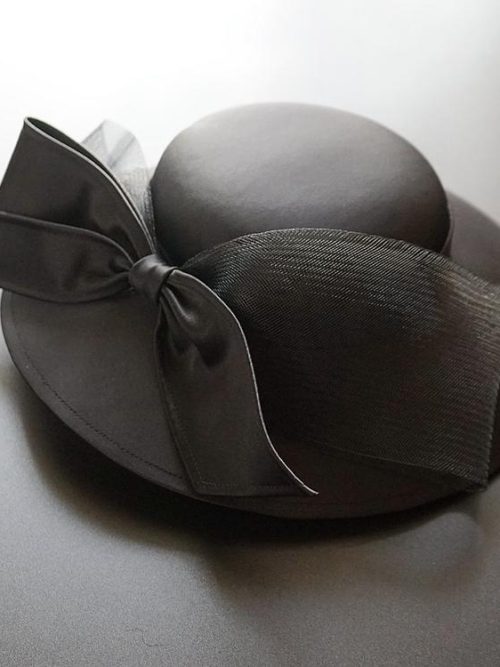
Born in 1933, Arthur McGee was introduced to fashion by his mother, a dressmaker with a particular love for hats. This early exposure shaped McGee’s future, leading him to study millinery and apparel design. His formal education began at the Traphagen School of Design in New York, where he earned a scholarship after winning a design contest. From there, he moved on to the Fashion Institute of Technology (FIT), where he encountered Charles James, a legendary American designer.
However, McGee’s time at FIT was short-lived. He left after being told that there were no job opportunities for Black designers. Undeterred by this discrimination, McGee set out to build his own path in fashion, ultimately becoming a mentor to many influential designers, including Willi Smith and Stephen Burrows.
Breaking Barriers on Seventh Avenue
In 1957, at just 24 years old, McGee made history as the first Black designer to run a Seventh Avenue design studio in New York’s garment district. This achievement was monumental, but McGee’s journey wasn’t without its difficulties. Despite being a talented and innovative designer, he often encountered racism in the industry, with store owners and buyers refusing to recognize his work.
Nevertheless, McGee’s persistence paid off. His designs were soon stocked in prestigious stores like Henri Bendel, Bergdorf Goodman, Bloomingdale’s, and Saks Fifth Avenue. His influence grew, and he became a vital part of the fashion industry, contributing significantly to its evolution.
A Unique Approach to Design
Arthur McGee wasn’t interested in mass-producing clothes for the anonymous market. He designed for individual clients, often knowing their names, sizes, and preferences intimately. His creations ranged from custom pieces for Broadway stars like Sybil Burton to red carpet looks worn by icons such as Cicely Tyson and Stevie Wonder. McGee’s designs blended cultural influences and technical precision, from Zulu-inspired coats to kimono-sleeved shirts crafted from African scarves.
Mentorship and Legacy
Throughout his career, McGee opened his doors to emerging designers of color, offering advice, sharing techniques, and helping them navigate the fashion world. His shop on St. Mark’s Place became a haven for Black designers looking for guidance. McGee’s commitment to education extended globally as he traveled to places like China and South Africa to teach design techniques.
In addition to his design contributions, McGee was a lifelong student of fashion. He studied the works of Issey Miyake and Madame Vionnet, incorporating their innovative techniques into his designs.
Honouring a Legend
Arthur McGee’s legacy continues to inspire new generations of designers. Even after suffering a brain aneurysm that paused his career, his work was celebrated by institutions such as the Metropolitan Museum of Art and the city of New York. He passed away in 2019, but his contributions to fashion and his commitment to paving the way for future designers ensure that his impact will never be forgotten.
As Maxine Gordon, a close friend and former client, said, “He did all of this work not just for them to walk over it.” Arthur McGee’s story is a reminder that true pioneers shape industries on their own terms.
Arthur McGee’s story is a powerful example of perseverance and talent. His influence on modern fashion is undeniable, and his work continues to inspire designers today. #IamPritzy #DareToBePritzy #VintageInspiredFashion #BlackFashionPioneer
The Pritzy Fashion Edit
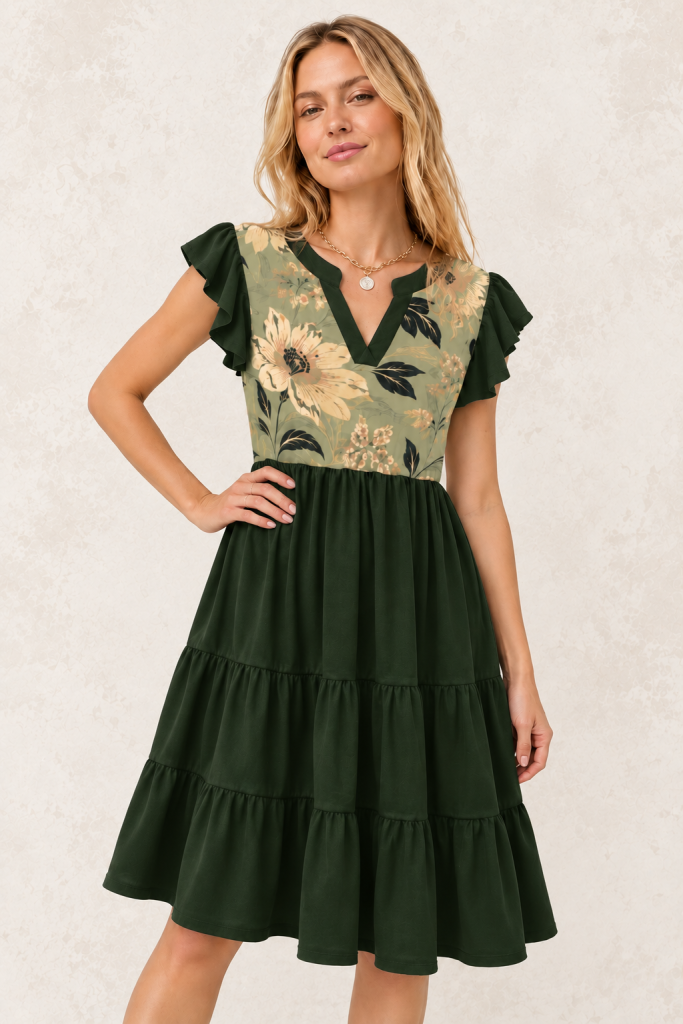
The lastest from Prity’s clothing collection