The Pritzy Fashion Edit
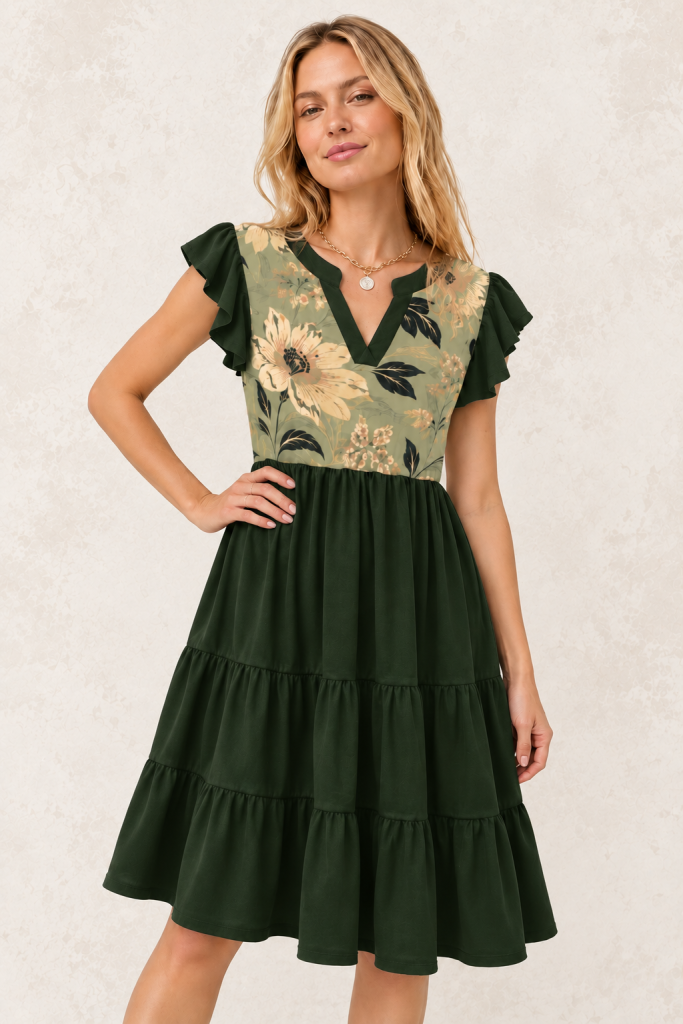
The lastest from Prity’s clothing collection
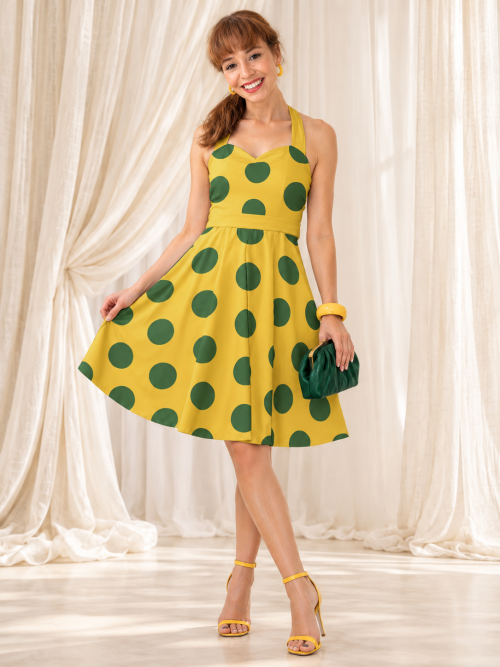

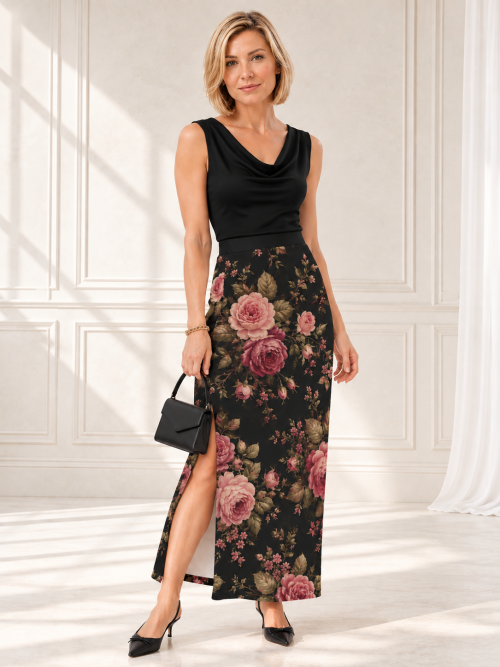
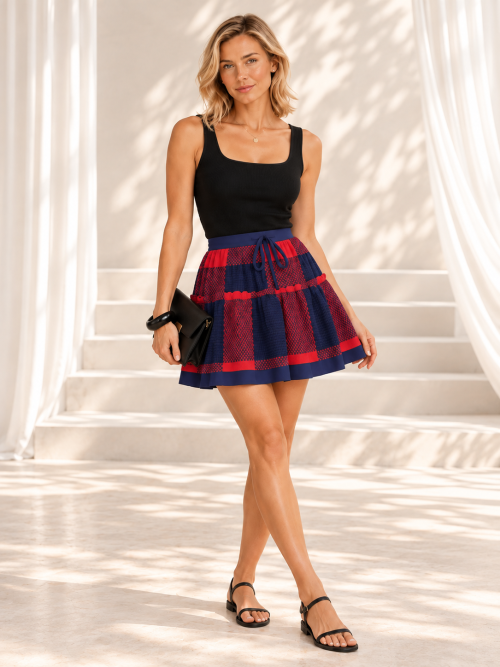
Bold Jewellery
Earrings. Necklaces. Bracelets. Brooches.


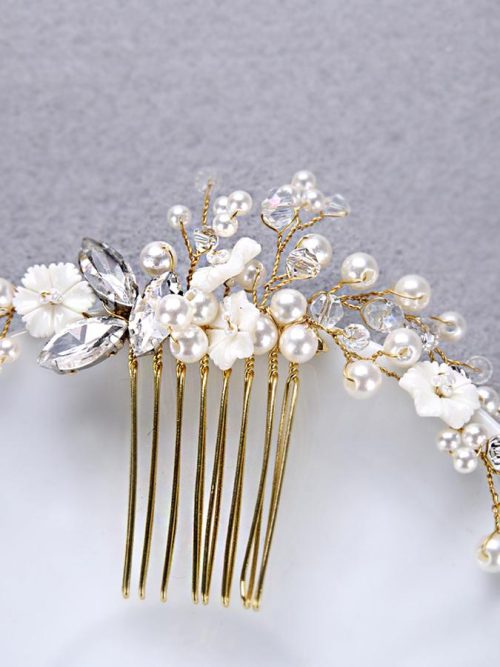
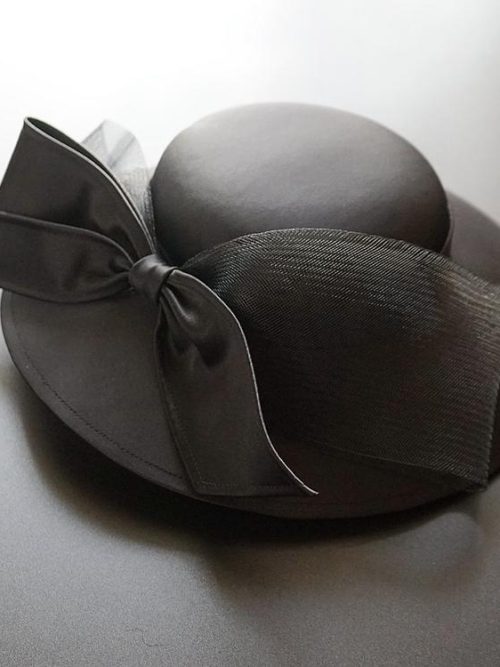


What Exactly Is Fast Fashion?
Fast fashion is everywhere—from the TikTok hauls to Instagram influencers flaunting the latest must-have pieces. It promises style on a budget, but what’s the real price we’re paying for this convenience? Behind those quick, trendy looks are hidden costs affecting not only our planet but also the people who make our clothes.
In this post, we’re pulling back the curtain on fast fashion, exploring the long-term impact it has on the environment, garment workers, and even our personal style. Let’s dive in.
Fast fashion refers to clothing that’s produced rapidly, usually replicating the latest runway trends, and sold at lower prices. Brands churn out new collections multiple times a season, tempting consumers to stay in a constant cycle of buying, discarding, and repeating. While it feels exciting to grab a $10 top that mirrors a high-end designer, there’s a darker side to that instant gratification.
Environmental Impact: More Than Just Cheap Clothes
Fast fashion has an environmental footprint that most of us don’t see. Ever wonder what happens to the clothes you discard? Here’s a staggering stat: an estimated 92 million tons of textile waste ends up in landfills each year. That’s the equivalent of a garbage truck full of clothes being dumped every second.
Then there’s the water usage. Did you know it takes about 700 gallons of water to make a single cotton t-shirt? That’s enough drinking water for one person for 900 days. The fashion industry is one of the biggest water polluters, with textile dyeing being the second largest cause of water pollution globally.

The chemicals used in producing synthetic fibres like polyester also leak into our oceans, causing lasting damage to marine life. Every time we wash synthetic garments, tiny micro-plastics are released into waterways, eventually ending up in the food chain.
The Human Cost: Who’s Really Paying for That $5 Shirt?
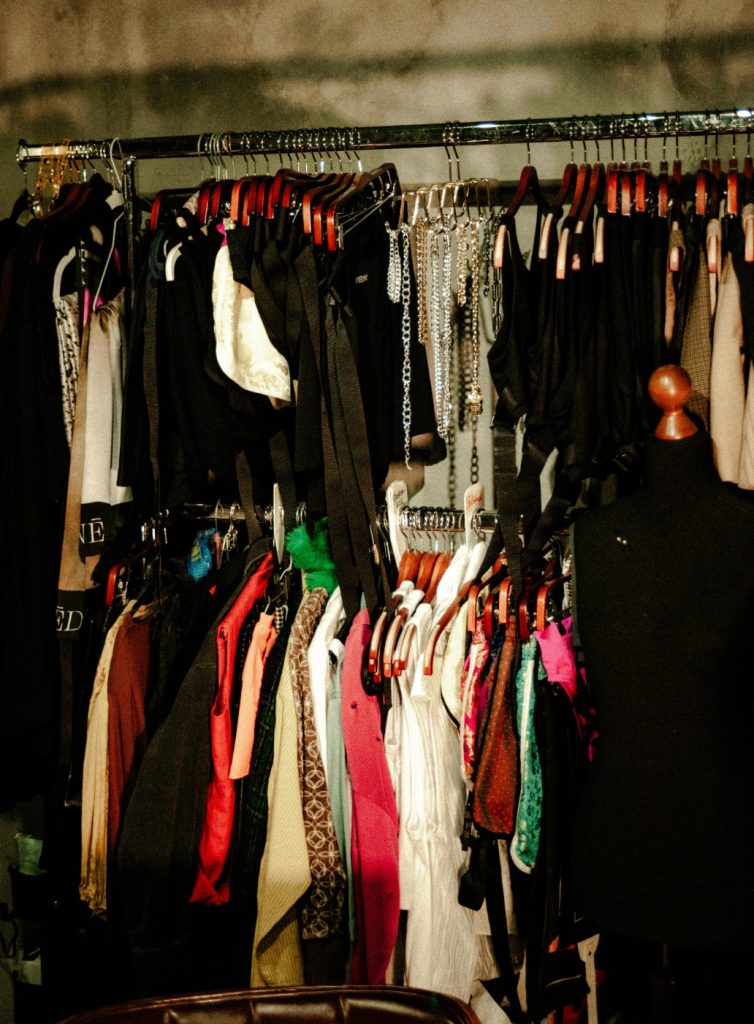
Think about the last time you ordered a fast-fashion haul online. Maybe it included a cute summer dress or trendy jeans. Now, imagine the environmental toll behind each item: gallons of water, harmful dyes, and possibly micro-plastics that outlive their usefulness.
One of the most overlooked consequences of fast fashion is the exploitation of garment workers. Many factories, particularly in developing countries, operate under dangerous conditions, paying workers unliveable wages. Some workers are forced to endure gruelling shifts, all for less than $3 a day.
The 2013 Rana Plaza disaster in Bangladesh is a sobering example. The collapse of this building, which housed several fast fashion factories, killed over 1,100 people and injured thousands more. It brought to light the harsh realities that many workers face in this industry.
Imagine working 12 hours a day with no air conditioning, limited breaks, and no safety measures, all for a wage that barely covers a meal. That’s the harsh reality for many workers who create the clothing we casually buy and toss after a few wears.
Fast Fashion’s Impact on Personal Style: Are We Losing Our Identity?
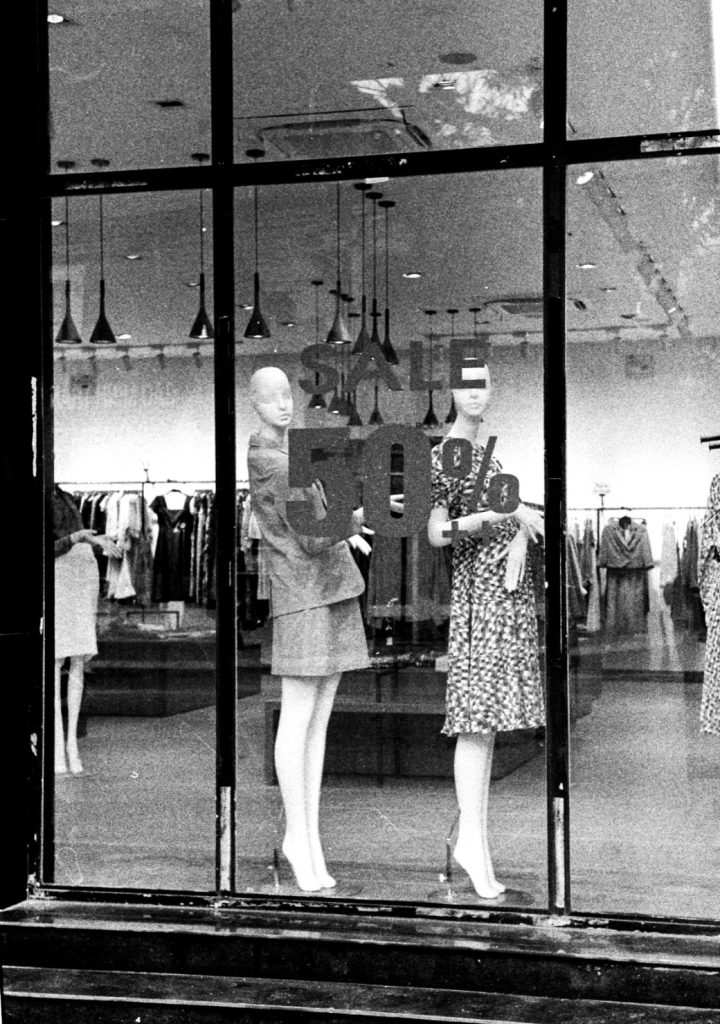
Fast fashion encourages a throwaway culture. We’ve all experienced it—buying a trendy piece that feels exciting for a moment, only to discard it a month later because it’s already out of style or poor in quality. But here’s the thing: true style isn’t about keeping up with trends; it’s about expressing who we are.
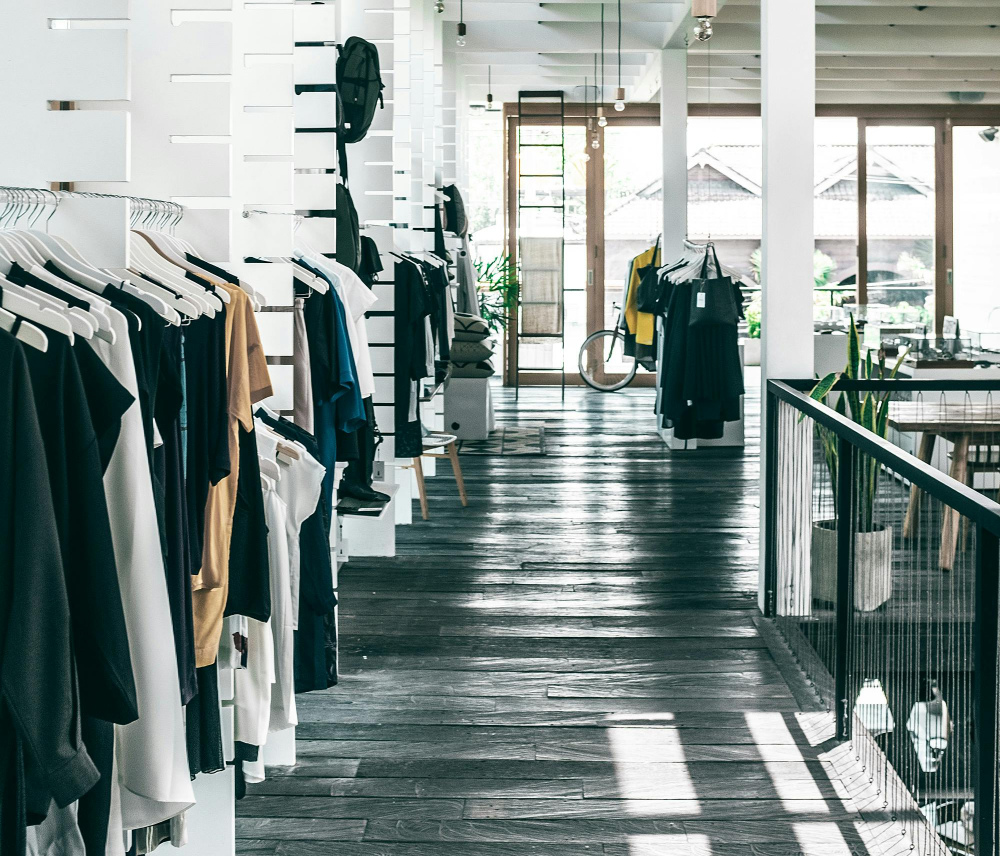
The constant influx of trends can make us feel like we need to buy more to fit in or stand out. But in reality, we’re being trapped in a cycle where our wardrobes and by-extension, our identities are dictated by fast fashion brands.
Think back to the items you’ve worn the most in the last few years. Chances are, they aren’t the trendiest pieces but rather the ones that make you feel confident and comfortable. Fast fashion, on the other hand, often leaves us with clothes that we don’t feel connected to, leading to that “nothing to wear” feeling despite a closet full of clothes.
How We Can Break Free from Fast Fashion
So, what can we do about it? Awareness is the first step. By recognising the impact fast fashion has on both the environment and people, we can make more informed choices. Here are a few ways to start:
Building a Sustainable Fashion Community Together
Fast fashion may offer short-term excitement, but its long-term impact is something we can no longer afford to ignore. From environmental destruction to worker exploitation, the hidden consequences behind those cheap clothes are vast. But the good news is that change starts with us. By making mindful fashion choices, we can help create a more sustainable future.
At the end of the day, we all have a role to play in shaping the future of fashion. Whether it’s buying less, shopping second-hand, or supporting sustainable brands, every small step matters. Fast fashion may seem impossible to escape, but as more of us start making conscious choices, we can create a community that values quality over quantity and the planet over fleeting trends.
Join Our Sustainable Fashion Journey
If you’re ready to take the next step in your fashion journey, Pritzy invites you to subscribe to our newsletter. Stay informed on how you can make eco-friendly, ethical fashion choices while staying effortlessly stylish. Together, let’s make fashion a force for good. Subscribe today and be part of the movement.
#fastfashion #sustainablefashion #slowfashion #fashionindustry #textilewaste #microplastics #ethicalclothingbrands #vintageshopping