The Pritzy Fashion Edit
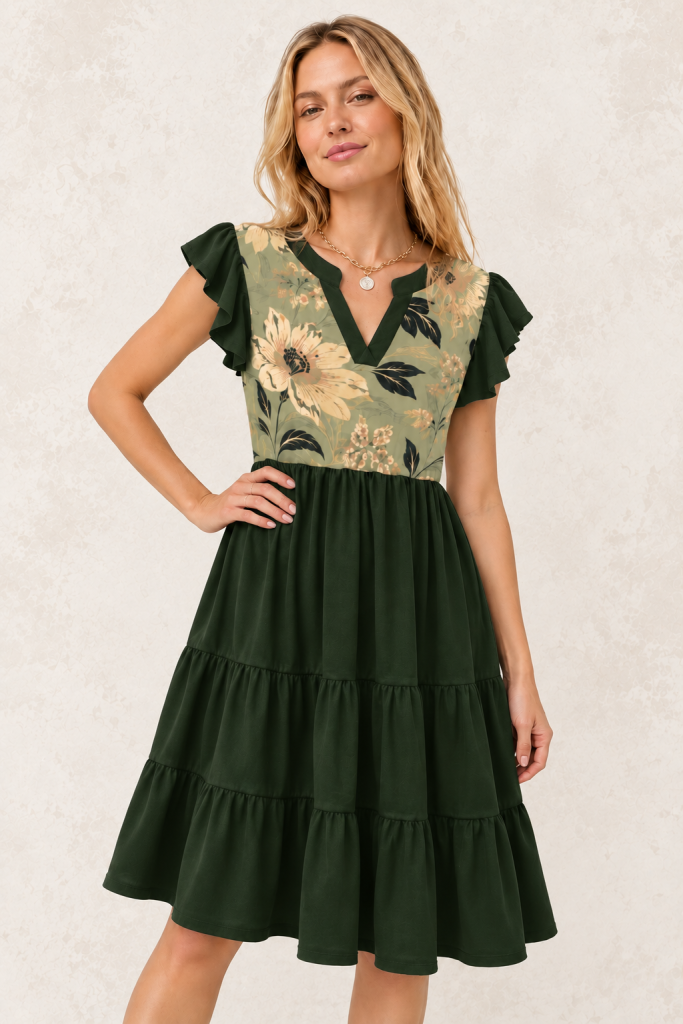
The lastest from Prity’s clothing collection
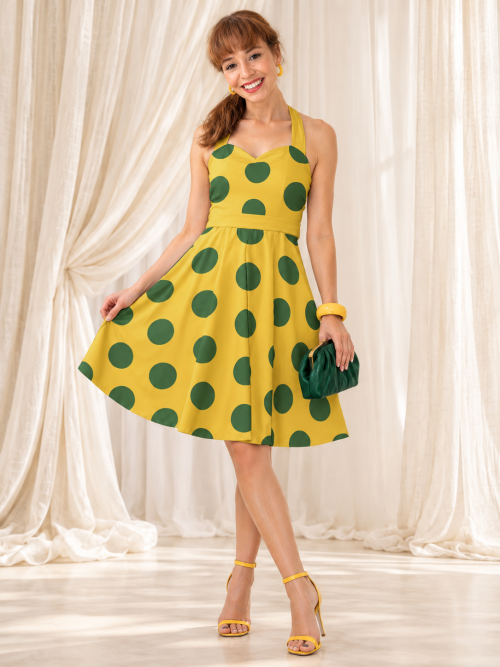

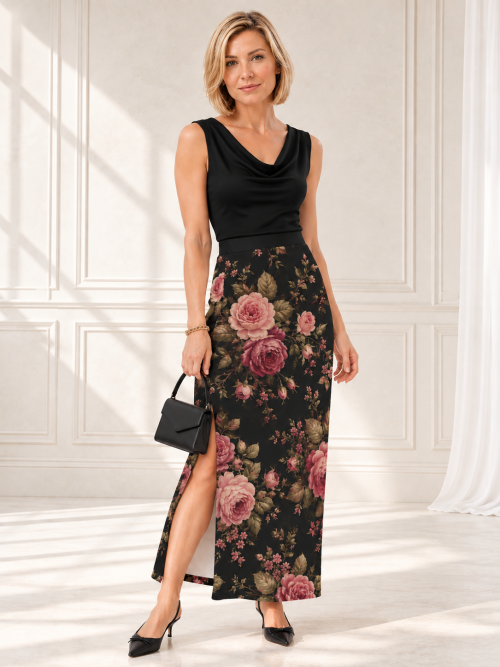
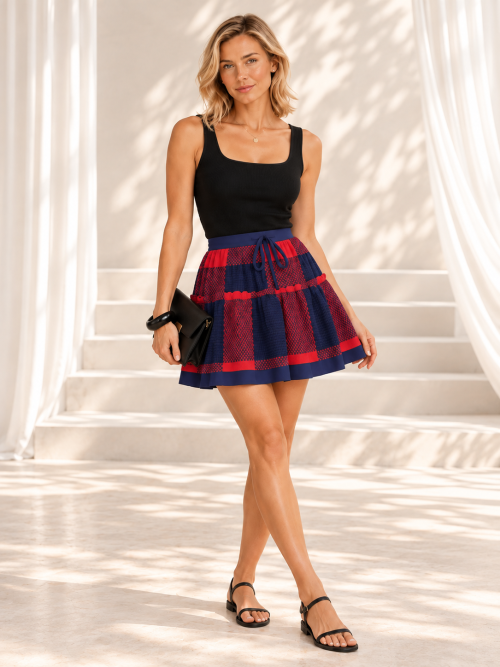
Bold Jewellery
Earrings. Necklaces. Bracelets. Brooches.






We may earn a commission if you buy something from any affiliate links on our site.

Artificial Intelligence Reinventing Fashion
The fashion industry is no stranger to reinvention, artificial intelligence (AI) is at the forefront of its most profound transformation yet. AI, the simulation of human intelligence by machines, has its roots in the mid-20th century when early computer scientists began exploring the concept of creating systems capable of learning and decision-making. Over the decades, it has grown from rudimentary algorithms to sophisticated technologies that now permeate nearly every industry. From revolutionising design processes to enhancing sustainability and redefining customer experiences, AI is reshaping fashion in ways that were unimaginable just a decade ago. Let’s explore how this cutting-edge technology is influencing every aspect of the industry.
AI in Fashion Design: Creativity Meets Technology
AI has evolved from being a supporting tool to a co-creator in the design process. Algorithms like OpenAI’s DALL-E and Adobe’s Firefly allow designers to generate mood boards, sketches, and even complete collections with unparalleled speed and precision. Fashion houses such as Prada and Burberry have embraced AI to predict upcoming trends by analysing historical data, runway footage, and social media chatter. This data-driven approach ensures their collections are both innovative and market-ready.
Emerging sustainable brands are also leveraging AI to minimise waste. For instance, Reformation uses predictive analytics to design garments based on customer demand, reducing overproduction. Meanwhile, digital-only fashion brands like The Fabricant create AI-assisted virtual garments, catering to the growing appetite for metaverse fashion.
Personalisation and Customer Experience
Personalisation is no longer a luxury—it’s an expectation. AI-driven tools like virtual try-ons, powered by augmented reality (AR), have become staples for brands like Gucci and Nike. These tools allow customers to see how clothes, shoes, or accessories look on them without stepping into a store.
Stitch Fix, an AI-powered styling service, uses machine learning to recommend personalised outfits by analysing customer preferences and feedback. This approach enhances customer satisfaction and loyalty, proving that tailored shopping experiences are the future.
Chatbots, too, have grown increasingly sophisticated. Brands like H&M employ AI-powered assistants that can not only help with shopping but also provide style advice, effectively mimicking the role of an in-store stylist.
AI and Sustainability: Tackling Fashion’s Waste Problem
Sustainability is one of fashion’s most pressing challenges, and AI offers practical solutions. Companies such as Levi’s are using AI to optimise fabric cutting, reducing textile waste significantly. In addition, Higg Co.’s AI tools measure the environmental impact of garments during production, enabling brands to make more sustainable choices.
AI also enhances resale and recycling. Startups like ThredUp and Vestiaire Collective rely on AI algorithms to authenticate second-hand luxury items and match them with buyers, supporting the circular fashion economy.
Revolutionising Supply Chain Management
The fashion industry’s supply chains have historically been plagued by inefficiencies, but AI is making them smarter. Zara uses AI-powered demand forecasting to optimise inventory levels and reduce markdowns. This not only increases profitability but also minimises overproduction, a key contributor to environmental degradation.
Additionally, blockchain technology powered by AI ensures transparency in the supply chain. Brands like Stella McCartney use AI-integrated blockchain to verify ethical sourcing of materials, offering consumers greater confidence in their purchases.
Marketing and Trend Prediction
AI’s ability to analyse vast amounts of data in real time has revolutionised fashion marketing. Tools like Heuritech provide brands with trend forecasting by scanning millions of social media images and identifying emerging patterns. This enables brands to stay ahead of trends and create campaigns that resonate deeply with their audiences.
Luxury brands like Louis Vuitton and Dior are combining AI with immersive experiences. Virtual influencers and AI-generated models now feature in advertising campaigns, creating buzz and engaging tech-savvy consumers in new and exciting ways.
Challenges and Ethical Considerations
While AI offers remarkable opportunities, it’s not without challenges. Concerns about data privacy, bias in algorithms, and the potential loss of creative jobs are critical issues that the industry must address. AI systems rely on vast amounts of data, and ensuring this data is collected and used ethically is paramount. Misuse of personal data for targeted marketing or trend analysis without proper consent could erode consumer trust.
Bias in AI algorithms is another significant concern. For example, if the data used to train these systems lacks diversity, the resulting designs, recommendations, or marketing campaigns may unintentionally exclude or misrepresent certain groups. Addressing these biases requires conscious efforts to diversify training datasets and implement checks to ensure inclusivity.
The potential impact on creative jobs also raises questions. As AI takes over repetitive tasks and even some creative processes, designers, stylists, and other professionals may face reduced opportunities. However, proponents argue that AI can enhance rather than replace human creativity, offering tools that free up time for higher-level innovation. Ensuring a balance where AI complements rather than competes with human roles is essential.
Moreover, the environmental impact of AI itself is worth noting. Training AI models requires significant computational power, which contributes to carbon emissions. As the fashion industry adopts AI to improve sustainability, it must also consider the environmental footprint of these technologies and invest in greener solutions.
Final Thoughts
AI has become an indispensable tool in the fashion industry, enhancing creativity, efficiency, and sustainability. Whether it’s a global powerhouse like Gucci or an emerging brand focused on eco-conscious practices, AI is enabling brands to meet the demands of a rapidly evolving consumer landscape. As technology continues to advance, the possibilities for AI in fashion are endless.
For more insights into the ever-evolving world of fashion and technology, subscribe to Pritzy’s newsletter. Stay ahead of the trends and discover how innovation is shaping the future of style.