The Pritzy Fashion Edit
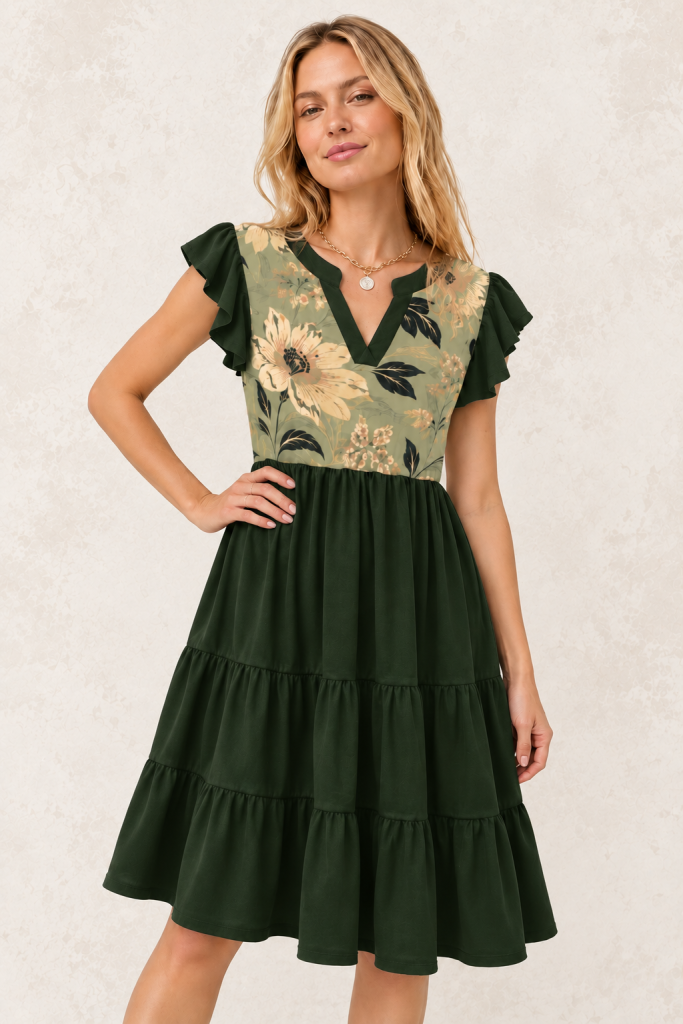
The lastest from Prity’s clothing collection
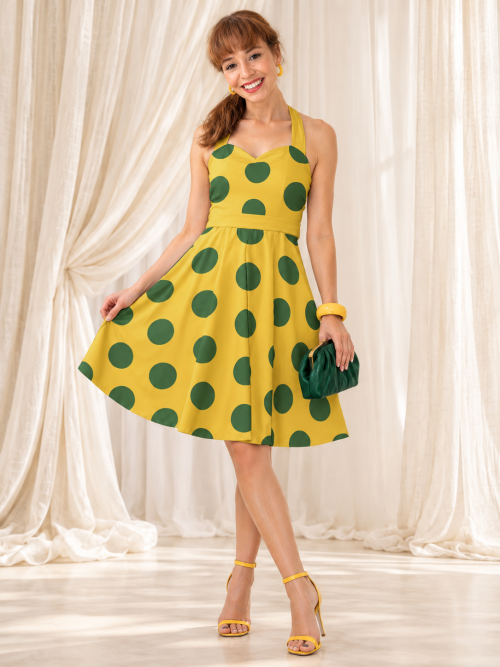
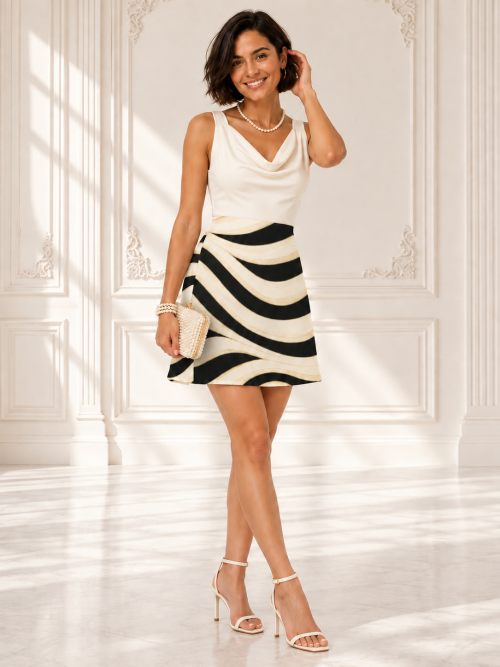
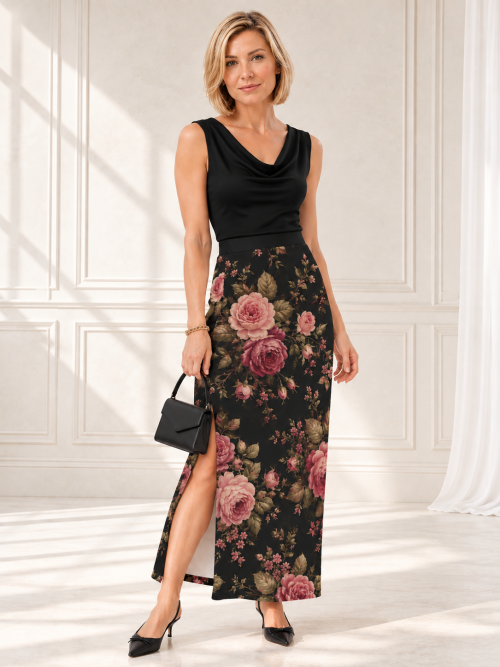
Bold Jewellery
Earrings. Necklaces. Bracelets. Brooches.




The Evolvement of Fashion’s Diversity & Inclusion
The fashion industry, often hailed as a reflection of society’s evolving culture, has seen significant strides in diversity and inclusion over the past decade. But beneath the glossy veneer of campaigns and collections, there’s still work to be done. This article explores how the UK and USA fashion industries have embraced diversity in leadership and behind-the-scenes roles, celebrating progress while acknowledging areas for growth.
Progress in Leadership and Representation
In recent years, many fashion brands have taken bold steps to diversify their leadership teams. For instance, Christopher John Rogers, an American designer celebrated for his vibrant collections, has been a trailblazer in redefining representation in luxury fashion. Similarly, in the UK, Roksanda Ilincic has championed inclusivity by hiring diverse teams to create collections that resonate globally.
Major corporations have also made significant commitments. Gucci’s Changemakers Program funds scholarships and grants to empower underrepresented talent in the fashion world. Likewise, Burberry has implemented inclusion strategies to ensure diverse voices shape the brand’s global vision. These initiatives are not just about optics; they signal a genuine shift toward more equitable leadership.
Behind the scenes, companies like The Fashion Minority Alliance in the UK have created platforms to elevate diverse professionals in styling, photography, and creative direction. In the USA, CFDA’s IMPACT Program connects Black and Brown creatives with influential industry players, fostering opportunities that go beyond the runway.
Celebrating Brands Making a Difference
Several brands have emerged as leaders in the diversity and inclusion movement. Tommy Hilfiger’s Adaptive Collection has set a benchmark for inclusive design, offering stylish options for individuals with disabilities. Meanwhile, UK-based ASOS has introduced diverse sizing, maternity wear, and gender-neutral collections, catering to a broader audience.
Smaller brands are also making waves. Brother Vellies, founded by Aurora James, has championed diversity by spotlighting artisans from underrepresented communities. In the UK, Labrum London blends West African heritage with modern tailoring, showcasing how cultural diversity enriches the fashion narrative.
Known Black and Brown Leaders in Fashion
Some of the most influential Black and Brown leaders in fashion today include Edward Enninful, the editor-in-chief of British Vogue, who has been a driving force for inclusivity in fashion journalism. In the USA, Aurora James, founder of Brother Vellies and the Fifteen Percent Pledge, has been a vocal advocate for diversifying retail shelf space. Kerby Jean-Raymond, the founder of Pyer Moss, has reshaped the industry by blending art, activism, and fashion.
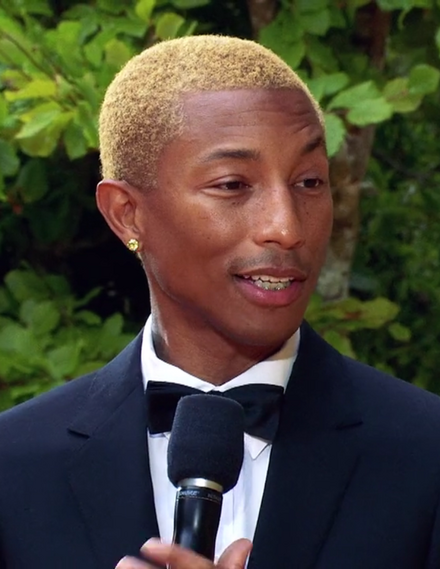
Pharrell Williams, recently appointed as the men’s creative director at Louis Vuitton, has brought a fresh perspective to the iconic brand while championing cultural representation. Other notable figures include Virgil Abloh, the late visionary behind Off-White and Louis Vuitton’s menswear, and Sandrine Charles, co-founder of Black in Fashion Council, which works to ensure accountability and inclusivity in the industry. These leaders, along with executives like Tracy Reese, founder of Hope for Flowers, and Samira Nasr, editor-in-chief of Harper’s Bazaar, are redefining the industry’s standards and paving the way for future generations.
Areas Needing Improvement
Despite these advancements, the road to true inclusivity remains long. Data reveals that leadership positions in the fashion industry are still disproportionately held by white, cisgender individuals. According to a 2022 report by the British Fashion Council, only 14% of executive roles in UK fashion are held by people of color. In the USA, a McKinsey study found that Black employees occupy less than 8% of C-suite positions in the industry.
Moreover, while campaigns increasingly showcase diverse models, the same cannot always be said for the teams behind the camera. There remains a glaring lack of representation among photographers, stylists, and creative directors from marginalised backgrounds. This gap stifles the ability to tell authentic stories through fashion, limiting the industry’s potential to truly reflect the world’s diversity.
The Path Forward
To build on this progress, brands must prioritise systemic change over performative gestures. This includes hiring diverse talent at all levels, investing in mentorship programs, and holding leadership accountable for measurable inclusion goals. Consumers, too, play a role by supporting brands that align with these values.
The future of fashion depends on its ability to embrace the full spectrum of human creativity. By fostering diversity in leadership and behind-the-scenes roles, the industry can move closer to becoming a true reflection of the society it serves.
Stay Informed and Inspired
Diversity in fashion is not just a trend; it’s a movement. Stay updated on the latest developments and support the brands making a difference. Subscribe to Pritzy’s newsletter for insights, inspiration, and exclusive updates on vintage-inspired fashion with a bold and inclusive edge. Together, we can celebrate fashion that dares to be different.
#diversityinclusionfashion #equitablefashion #equalityinfashion #fashionindustry #fashioninspiration #inclusiveclothingbrands #futureoffashion #fashionleadership